
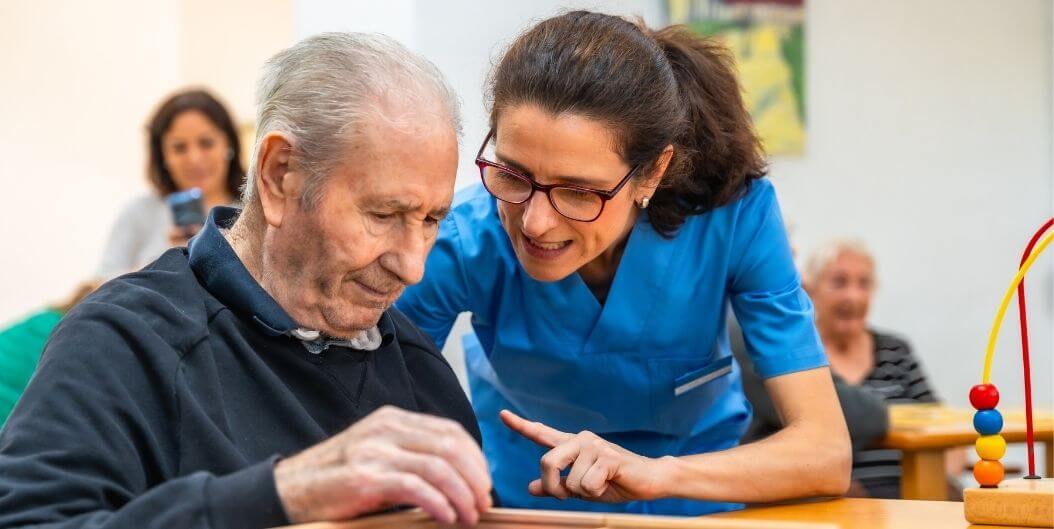
How Do Memory Care Communities Keep Seniors Actively Engaged
When someone you love or care about is affected by memory loss, finding a truly supportive and enriching environment becomes essential. A good memory care community can provide the safety needed for residents who tend to wander. Such a place ensures that your loved one gets opportunities to find meaningful and joyful engagement every day.
With consistent routines and personalized activities, residents stay engaged in ways that support their minds and spirits. In the sections ahead, we’ll discuss how memory care communities create meaningful moments for residents.
10 Ways Memory Care Communities Keep Seniors Actively Engaged
These 10 activities show how memory care communities keep seniors involved and thriving:
Personalized Activity Calendars
Memory care communities know that no two residents are identical. That’s why many have crafted personalized calendars of activities for each resident, activities that are more suitable for the individual’s history, preferences, and cognitive abilities. These calendars often include favorite pastimes, family-suggested hobbies, and mildly challenging tasks that are basically good brain teasers.
Personalized activities also support routines, which are crucial for those living with Alzheimer’s & dementia care needs. The structure reduces anxiety and helps residents look forward to each new day with greater clarity and purpose.
Music Therapy Sessions
Music therapy plays a powerful role in memory care assisted living. Even when other memories fade, music often remains with a person. Residents take pleasure in participating in sing-alongs, experiencing live performances, and joining music therapy sessions under certified professional guidance.
Music therapy sessions help decrease agitation and initiate physical activity such as dancing or clapping. It also helps establish emotional links with historical experiences and create peaceful or joyful moments.
Gardening Programs
Nature-based activities like gardening provide so much more than just the enjoyment of being outdoors. For residents with dementia, these activities are a great way to stimulate the brain and encourage physical movement. Gardening programs invite individuals to dig, plant, water, and observe growth. The tactile and sensory-rich experiences these activities offer stimulate the brain and encourage physical movement.
Gardening also encourages conversation, memory recall, and teamwork. You chat about the weather, discuss the colors of the flowers, and debate which plants need pruning. Even when there are no words, the fresh air and sunshine provide a calming environment that reduces stress and supports emotional health.
Art and Craft Workshops
For individuals living in a dementia care home, creative expression can be an extremely important emotional outlet. Being given the opportunity to create can work wonders for one’s self-esteem and emotional well-being. It also helps develop fine motor skills.
Crafts like painting or seasonal decorating activities may trigger memories and encourage personal storytelling. More so, the staff helps residents by leading them in projects they already know or by adding new materials that can keep them engaged without causing stress.
Pet Therapy Visits
Some Alzheimer’s and dementia care communities offer pet therapy programs that give residents comfort and companionship. Specially trained therapy animals, most commonly dogs, bring this aspect of human-animal interaction into the lives of residents in a care home.
Petting a soft animal gently or holding it in your arms can lower blood pressure and reduce anxiety. Animals help many residents recall their beloved past pets. At the same time, they provide immediate emotional support through their serene presence.
Group Exercise and Movement Classes
It’s crucial to keep the body moving, even in a memory care home, and the best way to do that is to offer safe, adaptable, and enjoyable group exercise opportunities. Chair yoga, stretching routines, and rhythmic movement to music can help improve mobility and balance,
These activities are also highly social. They encourage residents to interact, laugh, and motivate one another. Even better, all aerobic exercise that gets the heart pumping supports cognitive function by increasing blood flow to the brain.
Reminiscence and Storytelling Groups
Reminiscence and storytelling groups offer an invaluable service to the residents of a dementia care community. They help residents find a meaningful connection to their personal identities and life histories through reminiscence and storytelling. The gatherings usually focus on well-known themes such as childhood experiences and music memories. They may also use props and photos to initiate discussions.
Participants can choose to share their stories or they can simply sit and enjoy listening during the session. They can communicate by using emotion and body language. These sessions build their self-esteem and reinforce that their presence and voice are valued.
Brain Games and Puzzles
Ensuring mental stimulation is a crucial part of the care in any Alzheimer’s and dementia community. This is done, in part, through the use of brain games and puzzles. Some of these are very simple, like word searches. Others are quite complex, like the interactive group puzzles in bingo or trivia. These games support cognitive function and keep the mind engaged.
Puzzle selection is done with great care. Staff chooses activities based on the cognitive level of each individual, ensuring that the puzzles are at just the right level to promote success. Residents often work together, helping each other, and creating the shared accomplishment that is an essential part of community living.
Holiday and Seasonal Celebrations
Memory care communities create seasonal vibes by using festive decorations and thematic meals that build joy and connections. Residents often look forward to these seasonal festivals and holiday traditions. Recognizable melodies, fragrances, and visual stimuli act as triggers for seasonal memories.
These events frequently extend invitations to families, enabling members of different generations to connect. Each event can be adapted to match individual residents’ abilities. Some may help decorate cookies while others may prefer watching a performance.
Supervised Community Outings
Even beyond the memory care community, engagement thrives with well-planned outings. These short trips might include visits to local parks, museums, scenic drives, or a familiar restaurant for lunch. Each outing is designed to be safe, manageable, and enriching, providing new sights, sounds, and social experiences.
Staff make sure every resident is supported and comfortable throughout the journey. These excursions spark conversation, stimulate the senses, and lift moods. For those in dementia care, a simple change of scenery can refresh the mind and rekindle a connection to the outside world. These outings create meaningful, lasting memories.
Discover How Lynridge of Murphy Creates Meaningful Days for Your Loved One
People with memory loss can enjoy a meaningful and dynamic daily routine. A suitable environment transforms everything from individual activities to social bonds. Our Alzheimer’s & dementia care home at Lynridge of Murphy believes each resident should experience purpose and dignity. Our carefully developed programs help people connect while bringing back memories and honoring each individual’s special story.
If you’re looking for a memory care home that emphasizes engagement and compassion, you’ve come to the right place. Book a tour of our community today. Come see how Lynridge of Murphy enables its residents to flourish mentally, physically, and spiritually with consistent moments of connection and care.