
The Benefits of Intergenerational Engagement in Assisted Living Communities
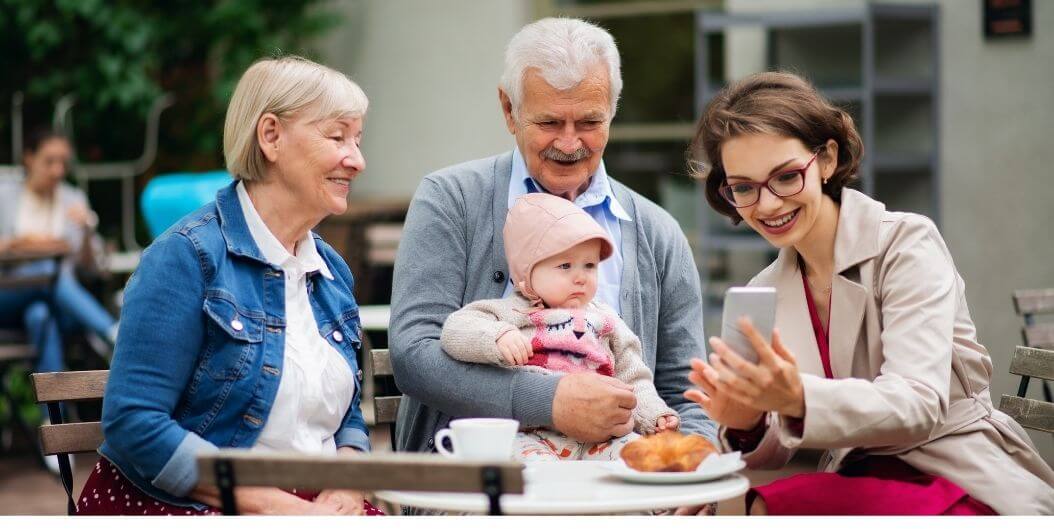
When you think of an assisted living community, daily care and social activities often come to mind. Yet, one of the most rewarding aspects of assisted living involves connecting across generations. Intergenerational engagement refers to programs and activities that bring older adults and younger people together for shared experiences. These connections offer benefits that extend beyond companionship, strengthening health, happiness, and community ties.
Assisted living communities are uniquely positioned to foster these relationships, making them a meaningful part of modern senior living. By integrating intergenerational programs, you will gain a sense of purpose, stay mentally sharp, and enjoy an enriched lifestyle, while younger participants will benefit from mentorship and exposure to real-world wisdom.
Social Benefits of Intergenerational Engagement in Assisted Living
Reducing Loneliness and Social Isolation
Loneliness is a significant challenge for older adults, particularly those living independently or with limited family contact. According to the Centers for Disease Control and Prevention, social isolation can increase the risk of dementia, heart disease, and other serious health conditions.
Interacting with younger generations will provide you with companionship and a sense of belonging, reducing isolation. Even brief, regular interactions, like a child visiting for a craft project or a teen reading aloud, can help you feel more connected and valued. In assisted living communities, the presence of younger participants also encourages older adults to leave their apartments and engage with community spaces.
Strengthening Emotional Well-Being
Beyond companionship, intergenerational engagement contributes to stronger emotional health. Research shows that older adults involved in these programs report higher levels of happiness, increased self-esteem, and improved life satisfaction.
Sharing stories, celebrating achievements, and laughing together with children or teens can help you reduce stress and alleviate feelings of depression. These interactions will provide meaningful opportunities, allowing you to connect with others in purposeful ways, creating a sense of joy and fulfillment in daily life.
Cognitive Health Benefits in Assisted Living
Stimulating Memory and Mental Agility
Maintaining cognitive function is critical for your long-term well-being. Intergenerational programs provide natural mental stimulation through activities like reading together, solving puzzles, or participating in storytelling sessions. These engagements encourage memory recall, attention, and communication skills, helping you remain mentally active. Research demonstrates that older adults who regularly participate in mentally stimulating activities maintain sharper cognitive abilities and experience slower cognitive decline.
Supporting Lifelong Learning and Purpose
Teaching, mentoring, and sharing knowledge offer seniors opportunities for lifelong learning. In assisted living communities, when residents guide younger participants through a craft project, explain a life lesson, or share cultural traditions, they gain a renewed sense of purpose. Feeling valued and needed enhances self-confidence and reinforces mental resilience. Lifelong learning also encourages curiosity, helping seniors remain intellectually engaged and open to new experiences, which contributes to overall emotional and cognitive health.
Physical Health Advantages in Assisted Living
Encouraging Gentle Movement and Activity
Many intergenerational programs naturally include light physical activity. Gardening, stretching exercises, walking, and playful games provide seniors with gentle movement in a social and fun environment. These activities motivate residents to remain active, often in ways they would not pursue alone.
Supporting Health Through Engagement
Even mild physical activity offers health benefits. Staying mobile supports cardiovascular health, balance, and muscular strength, while reducing the risk of falls. When movement is paired with social interaction and purpose-driven activities, seniors are more likely to participate consistently. This combination of physical, cognitive, and emotional stimulation creates a holistic approach to well-being that keeps residents energized and independent.
Benefits for Younger Generations in Assisted Living
Building Empathy and Respect
The advantages of intergenerational engagement extend to children and teens as well. Spending time with seniors teaches patience, empathy, and respect for older adults. Young participants gain insight into aging, learn the value of compassion, and develop skills in active listening and cooperation. These lessons extend beyond the program, shaping the way younger generations interact with people of all ages in their everyday lives.
Gaining Mentorship and Wisdom
As a senior in your retirement year, you will likely have valuable experiences and wisdom to share. Youth benefit from these insights, whether it’s learning a practical skill, hearing stories from a different era, or receiving guidance in problem-solving and personal development. These relationships build connections across time, offering a sense of continuity and cultural heritage that strengthens young people’s understanding of their community and their role within it.
Community-Wide Advantages of Intergenerational Engagement
Strengthening Community Ties
Intergenerational programs help foster a stronger sense of community. Partnerships with local schools, civic organizations, and youth groups encourage collaboration that benefits everyone. Events like school visits, community art projects, and joint cultural programs create bonds between generations and neighborhoods, fostering a supportive network that extends beyond the walls of the assisted living community.
Reducing Age-Related Stereotypes
When different generations interact regularly, stereotypes about aging are challenged. Children and teens see seniors as mentors, storytellers, and active contributors, while older adults witness the enthusiasm, creativity, and kindness of younger generations. These mutual benefits cultivate mutual respect, understanding, and a culture of inclusion within the community.
Looking for a Vibrant Future Full of Intergenerational Connections? Move Today to Lynridge Assisted Living
Intergenerational engagement provides powerful benefits for assisted living communities. Seniors experience reduced loneliness, improved emotional and cognitive health, enhanced physical activity, and a renewed sense of purpose. Younger participants gain mentorship, wisdom, and empathy, while communities as a whole grow stronger and more connected.
At Lynridge Assisted Living, intergenerational engagement is an integral part of everyday life. Here, you can enjoy enriching programs that foster meaningful connections, improving your well-being and bringing you joy, and purpose.
Discover the difference intergenerational engagement can make in your life. Schedule a tour today to experience Lynridge Assisted Living firsthand.